Welcome to Bookmark!
On Saturday, May 2nd 600 Canadian authors are doing something wonderful! It’s called Authors for Indies Day. That’s when authors across Canada support independent bookstores by volunteering as guest book sellers.
Author and spokesperson, Ann-Marie MacDonald says, “Independent bookstores enrich our communities. They provide gathering places for discovering new authors, sharing favourite books, and expanding our horizons. Store managers are thoughtful curators, bringing in books they know customers will love. Our neighbourhoods would be much diminished without our local bookstores.“
So come out to Bookmark in both Charlottetown and Halifax and meet a local author or two. Bring the family. Chat with authors, reader to reader, about the books and authors you love and we’ll tell you about the ones we love. Most of all, come and get to know your local bookstore.
For more information, watch this video and our follow us on Facebook for updates.
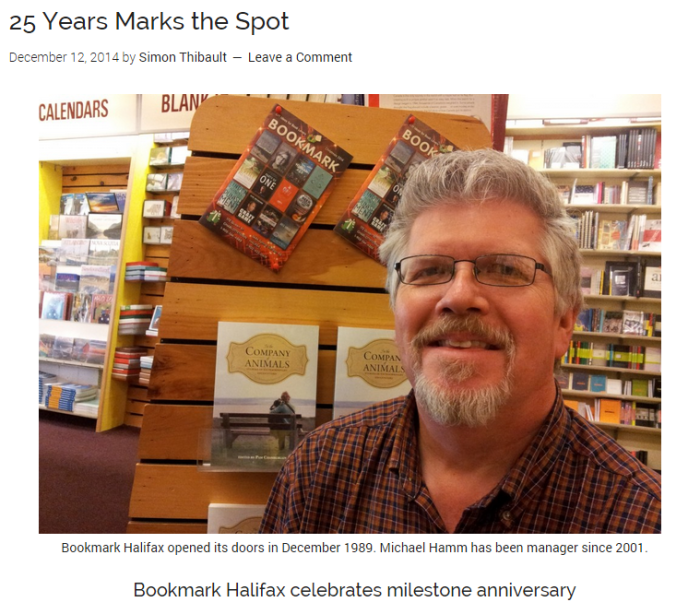
Atlantic Books Today has an article about Bookmark Halifax that everyone should check out!
http://atlanticbookstoday.ca/25-years-marks-the-spot/
.
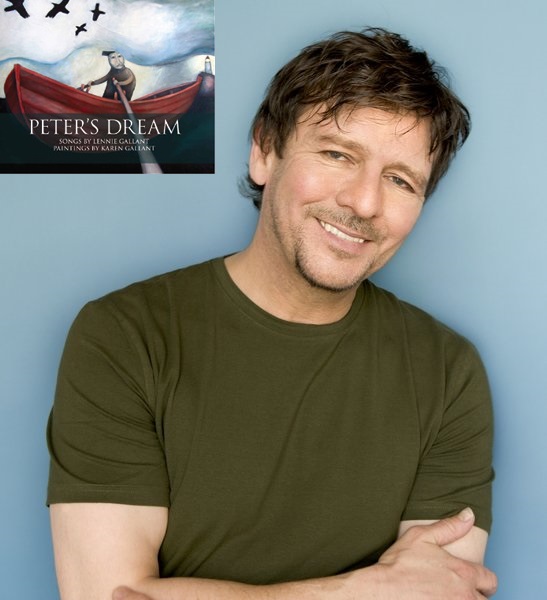
We are very excited to have Lennie Gallant and Karen Gallant at Bookmark tomorrow, Friday, December 5th signing copies of Peter’s Dream! Lennie was just honoured with the 2014 Canadian Folk Music Award for solo artist of the year on Saturday, Nov. 29 during the Canadian Folk Music Awards gala. For more details, please visit www.lenniegallant.com/news
Come to Bookmark tomorrow to congratulate Lennie on this outstanding achievement and get your copy of Peter’s Dream!
Lennie Gallant and visual artist Karen Gallant are brother and sister who grew up in Rustico, Prince Edward Island. They were influenced by their surroundings in similar and profound ways, yet chose to channel their creativity through different media. Lennie and Karen have long dreamed of working together on a project and this wonderful book is the result. Peter’s Dream is an opportunity for you to experience their respective visions through exciting pairings of lyric and image that will pull you into new worlds rich in drama, pathos, and celebration– as well as a healthy dose of East Coast lore. Rendered by two powerful and perceptive storytellers, these works were created over a lifetime of independent craftsmanship, but while preparing this book, both artists discovered that they have been unknowingly collaborating all along! Prepare to be moved and inspired by these talented siblings, now realizing their shared dream. To learn more about Karen Gallant and her works, please visit www.karengallant.com
When: Friday, December 5th, 11:00am – 1:00pm
Where: Bookmark, Charlottetown